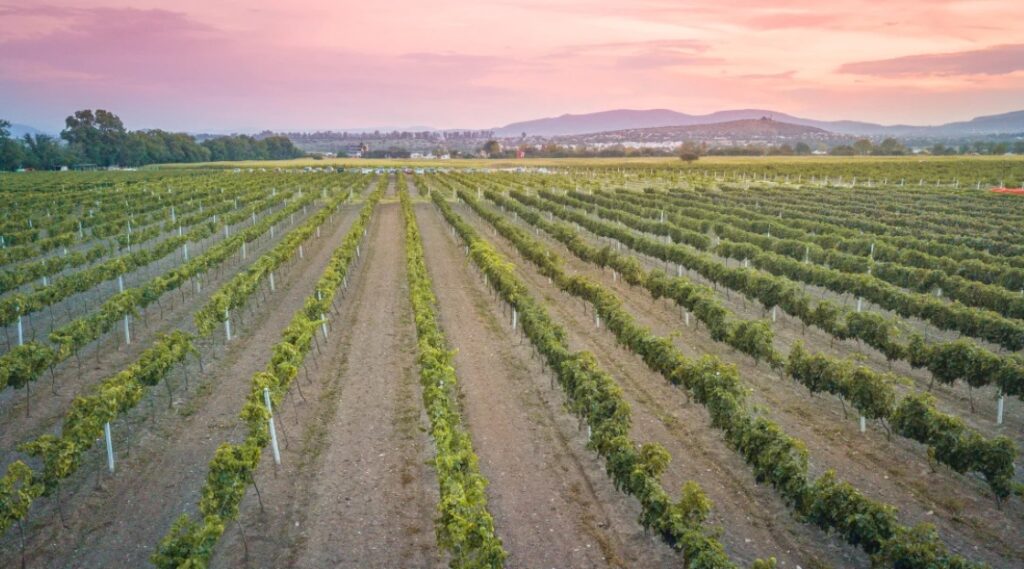
At a time when the climate change requires profound transformations in all sectors, the San Juanito winerylocated in the state of Querétarohas succeeded in producing the first wine certified by the carbon neutral in Mexico, endorsed by MexicoCO2the Mexican Carbon Platform of the Mexican Stock Exchange.
San Juanito implemented a series of concrete actions to reduce its carbon footprintsuch as the installation of solar panels for the supply of clean energy and the purchase of carbon credits emissions in the cogeneration project with sugarcane bagasse in Veracruz. This effort offset 358 tons of CO₂ equivalent, the total emissions generated in the wine production process.
"Our focus is to make a wine that is much more 'friendly' to the environment and many of the actions we took were done out of conscience," says Antonio Treviño Martínez, the winery's winemaker.
Sustainable agriculture and efficient water use
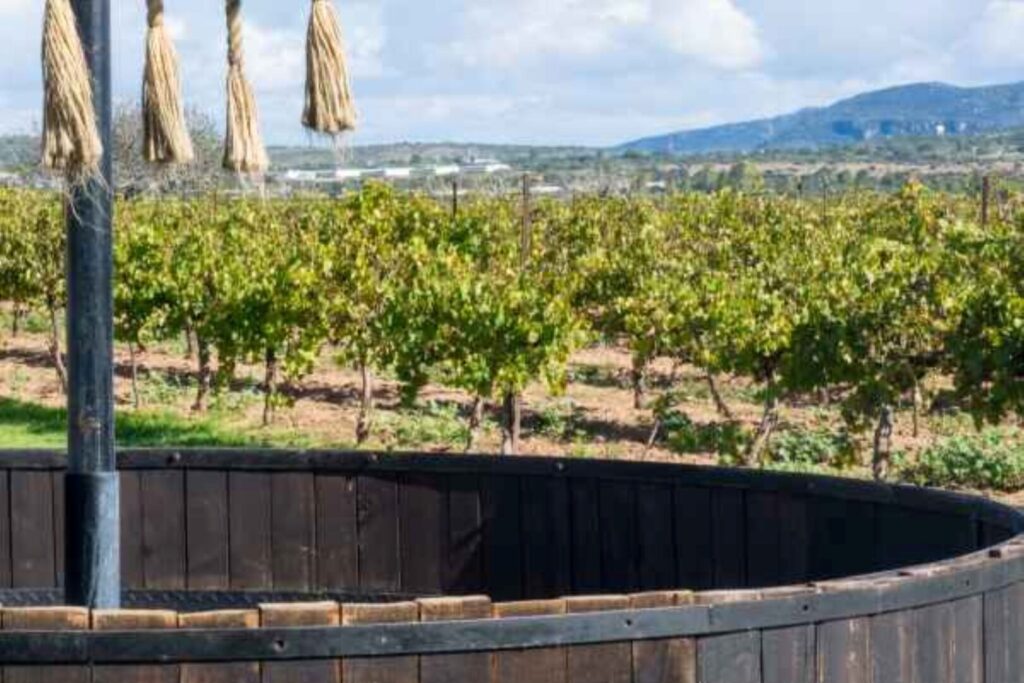
One of the keys to the sustainability from San Juanito is in the vineyard. Its agricultural approach privileges the health of the soil, the rational use of water and the natural balance of the ecosystem.
Vine cultivation is particularly efficient, using only 5% of the water required to grow corn, making it a responsible option in a context of increasing water scarcity, explain its managers.
"At San Juanito, the efficient management of natural resources such as water and energy is fundamental, allowing us to significantly reduce our carbon footprint and protect the environment," the company highlights on its website.
In addition, he adds that the implementation of renewable energiesincluding the use of solar panels, is a cornerstone of the strategy to reach the highest levels of energy efficiency. carbon neutralensuring cleaner and more sustainable operations.
"Our sustainable farming practices, which promote a natural balance and soil health, result in a reduced need for inputs and a notable reduction in carbon emissions," he stresses.
Next step: reusing bottles
Committed to further reducing its environmental impact, the directors of San Juanito are already preparing their next innovation: the reuse of glass bottles, a step that would place them as the first vineyard in Mexico to implement this practice. circular economy.
In addition to reducing the use of new materials, this measure would strengthen product traceability and positioning in a market that increasingly rewards consistency between quality and environmental responsibility.
A sustainable wine that crosses borders
Since its first harvest in 2013, San Juanito has been a benchmark of quality. Today, with its certification as a carbon neutral vineyardThe company is strengthening its position in international markets such as Belgium, Germany and the United States, where consumer preference is increasingly leaning toward environmentally responsible products.
"Then I would expect it to be a differentiating product on the shelf," Treviño Martínez said.
Carbon neutrality, more than a label
According to MexicoCO2being carbon neutral means to reach net carbon emissions equal to zero, either through direct reduction in production processes or certified offsets.
In the case of San Juanitoboth strategies are present, from the use of solar energy, to the use of regenerative agriculture and efficient management of natural resources.
Every bottle that comes out of San Juanito reflects this commitment. It is a wine that cares for the planet, that is committed to transparency and that demonstrates that sustainability is not a burden, but a real competitive advantage.
Source: The Economist, San Juanito