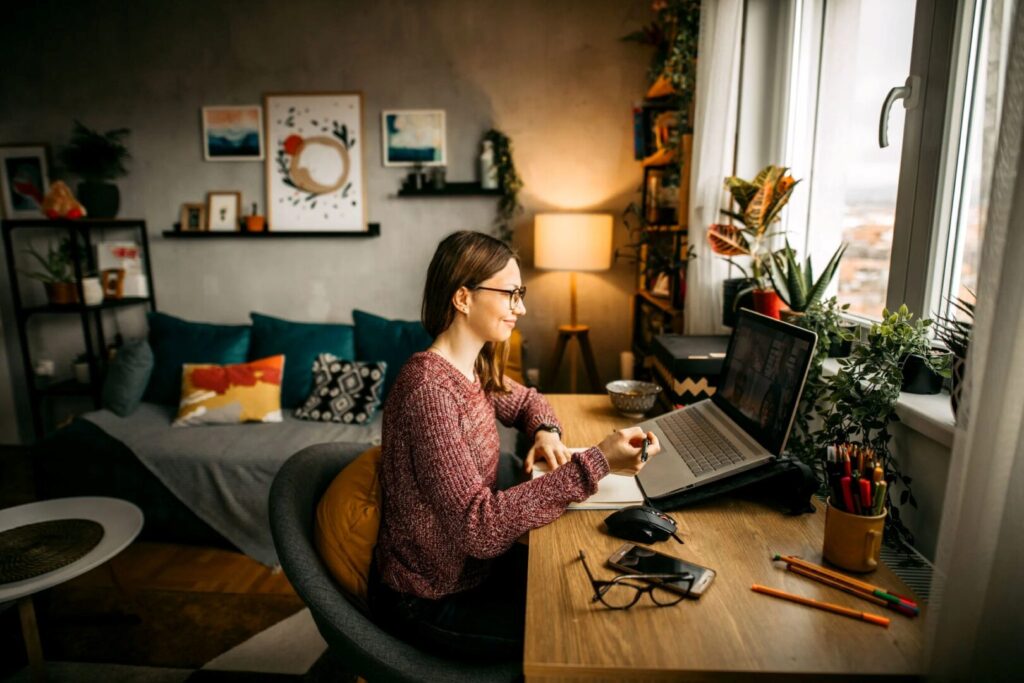
For many womenthe working day does not end when they leave their workplace. When they get home, a second shift begins: preparing dinner, helping with homework, caring for children or the elderly, cleaning, planning for the next day.
This routine, repeated millions of times around the world, reflects a structural reality: women perform three times as much as men. domestic work and unpaid caregiving than men, according to UN Women.
"The UN Women surveys on the use of time show that women perform three times more unpaid domestic and care work than men, with an average of 4.2 hours a day compared to 1.7 hours for men," the agency highlights in its publication, Roadmap for Gender Equality.
The document warns that the lack of labor flexibility is one of the main barriers that prevent women from staying in the labor market. formal economy. It is not only about access to employment, but also about being able to maintain it under fair conditions.
When a daughter or son is ill, when classes are suspended or an emergency arises at home, it is mostly women who make adjustments: they reschedule meetings, take unpaid leave or even abandon their jobs. In countries such as United StatesWomen are ten times more likely than men to be absent from work for caregiving reasons.
This rigidity, the report points out, is one of the easiest causes to correct. The implementation of flexible work schedules (adaptable schedules, hybrid or remote work, and co-responsible leave) can make a substantive difference.
"More than half of the women (52%) surveyed by Team Lewis said flexible work would help them stay in the economy. The report also reveals that 45% of women rethinking their jobs in 2025 complain about a lack of flexibility, and 40% cite work-life balance problems," it notes.
But the benefits of flexibility go far beyond the gender equity. A study cited by UN Women, Flexonomicsby Pragmatix AdvisoryThe company believes that adopting flexible work patterns could generate more than an additional £55 billion for the US economy. United KingdomThe company's business model, thanks to increased productivity, greater retention of talent and harnessing the potential of women.
Urgent recommendations
UN Women proposes two main lines of action:
- Companies and employers: must design more humane and adaptable jobs, standardize equal caregiving responsibilities, offer remote work options, and update their leave policies.
- Households and families: equality is also built at home. Sharing domestic and care tasks is key to transforming the work culture.
"If you eat, cook. If you wear it, wash it. If you live in that home, clean it," says the report, because no labor equality is possible without co-responsibility in care.
To ensure the full participation of women in the women in the world of work, there is an urgent need to modernize the work systems and recognize that the flexibility is not a privilege, but rather a right and a strategy for the equity.
Source: UN Women